
Tulabagane
Crafting Memories Across Africa
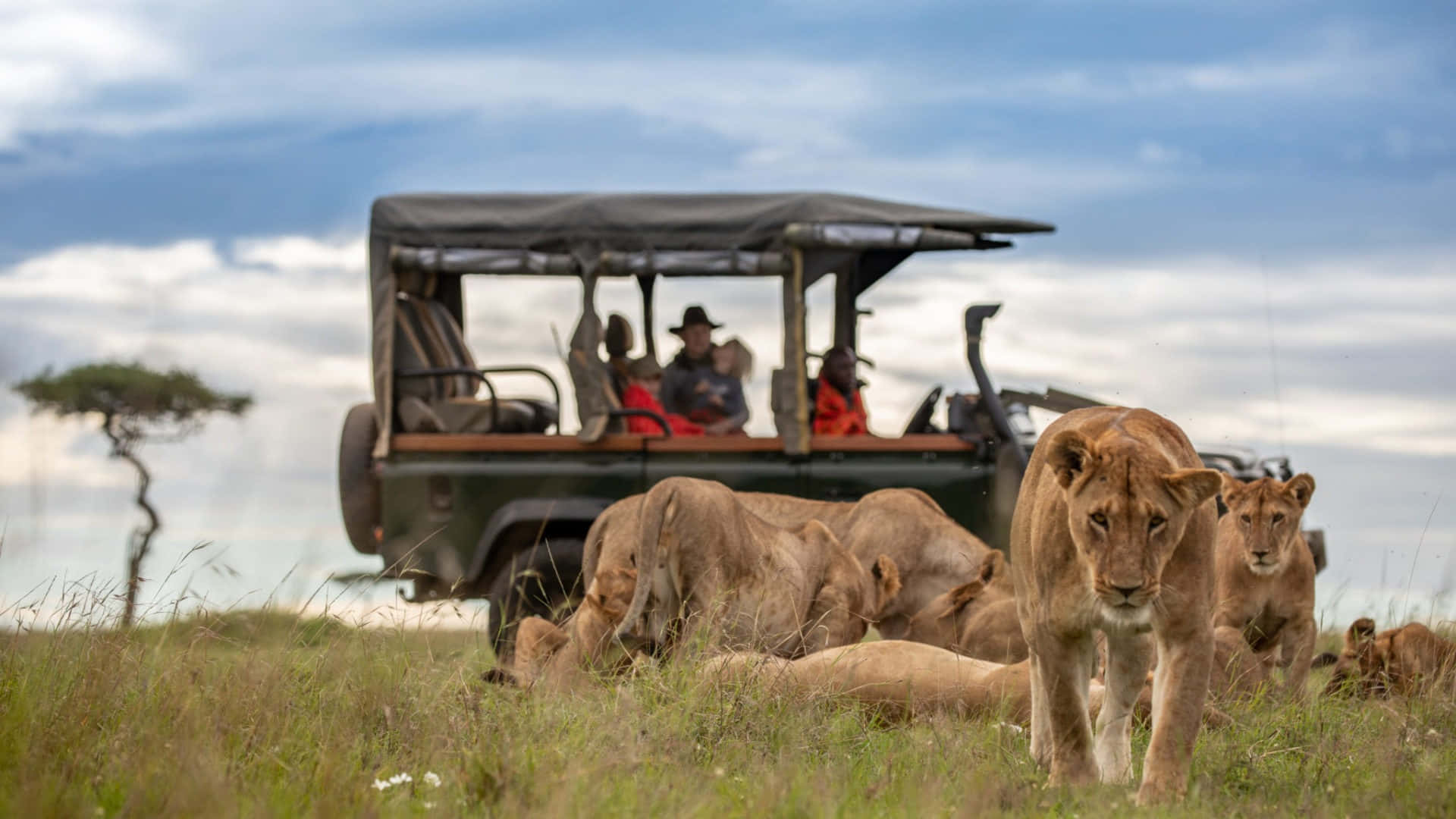
Some places are built to impress. The Masai Mara National Reserve was never one of them. It doesn't schedule wildlife sightings or promise dramatic moments on demand — it simply exists, wild, untamed, and beautifully unpredictable.
As dawn breaks over the golden plains, the grass sways gently in the morning breeze. A lion's roar echoes across the savannah, birds greet the sunrise, and somewhere in the distance, elephants begin another day in the African wilderness.
Nothing has been arranged for your arrival. Yet everything feels as though nature has been waiting for you — and that is the magic of a Masai Mara safari.
Every year, more than 1.5 million wildebeest — joined by hundreds of thousands of zebras and gazelles — begin an extraordinary journey between Tanzania's Serengeti and Kenya's Masai Mara. No road signs, no leaders, no maps. Only instinct.
Eventually, they reach the legendary Mara River, where the greatest challenge awaits. The water is deep, the currents are strong, and Nile crocodiles lie silently beneath the surface. For a few heart-stopping moments, hesitation can mean the difference between life and death. Then one wildebeest leaps and the herd follows — the water erupts, predators strike, and one of nature's most breathtaking spectacles unfolds before your eyes.
The Great Wildebeest Migration is more than a wildlife event — it's a story of courage, survival, and the unstoppable rhythm of nature. While the migration is the Mara's most famous attraction, it is only one chapter in a landscape filled with unforgettable experiences.
Most visitors explore the Masai Mara from the comfort of a safari vehicle, but a walking safari offers an entirely different perspective. Without the sound of an engine, the bush begins to speak: fresh footprints reveal which animals passed only moments before, medicinal plants tell stories of traditional knowledge, and tiny insects become fascinating architects of the ecosystem.
Every sound carries meaning, and every scent has a source. Accompanied by experienced guides, you'll discover that Africa's greatest lessons are often found not in the largest animals, but in the smallest details many travellers never notice. Sometimes the most memorable safari isn't the fastest one — it's the slowest.
Long before the first safari vehicles leave camp, another adventure quietly begins. As the sky changes from deep blue to brilliant gold, a hot air balloon safari lifts gently above the endless plains. From above, the Masai Mara reveals a completely different world: elephants leave winding trails through the grasslands, giraffes wander gracefully between acacia trees, and lions return from their nightly hunts. During migration season, thousands of wildebeest appear like a living river stretching beyond the horizon.
There are no crowds, no traffic — only silence, interrupted by the occasional burst of the balloon's burner. As your flight comes to an end, you're welcomed with a champagne breakfast in the heart of the African wilderness, a timeless safari tradition that makes the morning even more unforgettable.
The finest restaurant in the Masai Mara has no roof, no walls, no reservations. As darkness settles over the savannah, lanterns flicker beneath the stars and a beautifully prepared dinner awaits in the middle of the African bush.
The soundtrack is unlike any other — a distant hyena call, crickets singing endlessly, a campfire crackling gently beside your table. Every meal becomes more than dinner; it becomes part of the safari itself. Sharing stories beneath an endless African sky is often the moment travellers remember long after they return home.
Many visitors arrive hoping to spot the famous Big Five, and the Masai Mara rarely disappoints. Lions patrol the plains, leopards rest in riverine forests, and elephants move together as families. Buffaloes graze peacefully across the grasslands, and rhinos remain one of the reserve's most treasured sightings.
Yet the Mara has a habit of stealing your attention with unexpected moments — a cheetah teaching her cubs to hunt, a giraffe bending awkwardly to drink, hippos arguing in muddy pools, a martial eagle scanning the plains from above. These unscripted moments are what transform a wildlife safari into a lifelong memory.
Long before safari vehicles crossed these plains, the Maasai people lived alongside the wildlife that makes the Mara famous today. Their colourful traditions, deep respect for nature, storytelling, music, and way of life remain an important part of every visit. Meeting a Maasai community isn't simply a cultural stop — it's an opportunity to understand how people and wildlife have shared this remarkable landscape for generations.
Their stories remind us that conservation is not only about protecting animals. It is also about preserving cultures that have lived in harmony with nature for centuries.
The truth is, the Masai Mara never tells the same story twice — each season offers something different.
Rather than asking "When is the best time to visit the Masai Mara?", ask yourself: which version of the Mara do you want to experience?
Some travellers return home with incredible photographs. Others return with stories they tell for the rest of their lives. At Tulabagane Expeditions Africa Safaris, we believe a safari should be more than a holiday — it should become a chapter you will never forget.
Whatever kind of safari you are dreaming of, the Masai Mara National Reserve has a way of turning that dream into reality. Whether you are seeking a luxury safari in Kenya, creating lifelong memories on a family safari, celebrating love on a honeymoon safari, or searching for the best Masai Mara safari package, you'll find an unforgettable experience in this iconic wilderness.