Tulabagane
Crafting Memories Across Africa
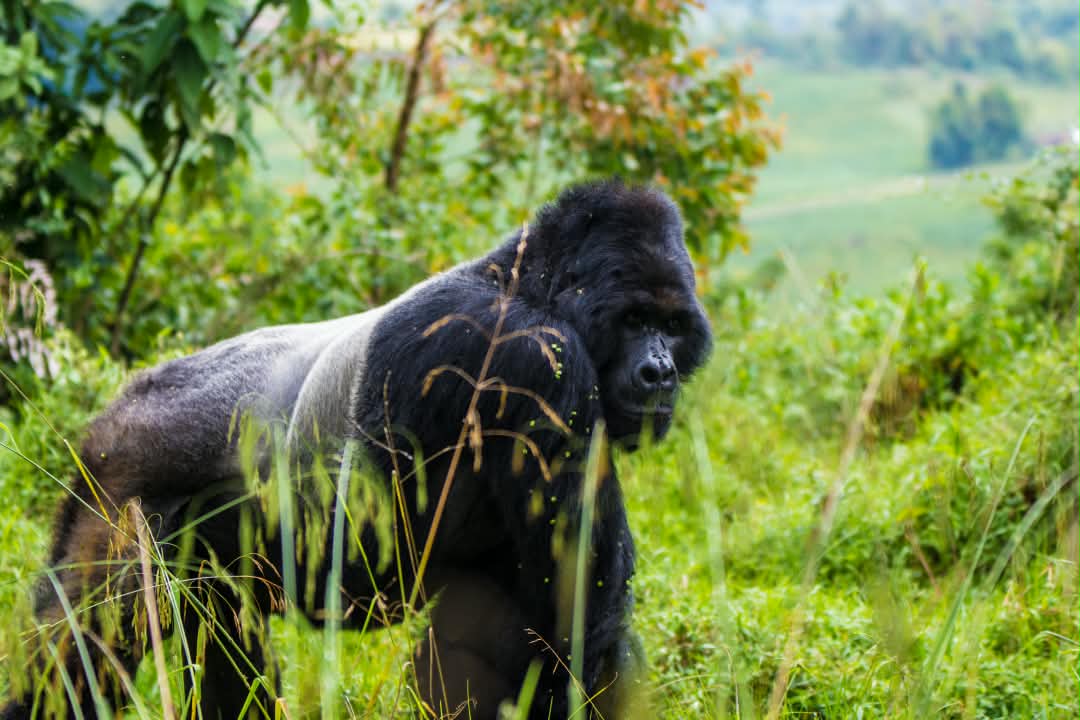
There is something special about a gorilla trek that is difficult to explain until you experience it yourself. After hours of walking through thick forest, listening to birds and watching the vegetation around you, you suddenly find yourself standing just a few metres from a mountain gorilla. For many travelers planning this experience, one question comes up again and again: should you trek gorillas in Uganda or Rwanda?
Both countries offer incredible encounters with mountain gorillas, but the experience is not exactly the same. Uganda gives you the chance to explore the famous Bwindi Impenetrable Forest and combine your gorilla trek with chimpanzee tracking and some of East Africa's best wildlife parks. Rwanda, on the other hand, offers gorilla trekking in Volcanoes National Park, with the added advantage of being easy to combine with a short stay in Kigali.
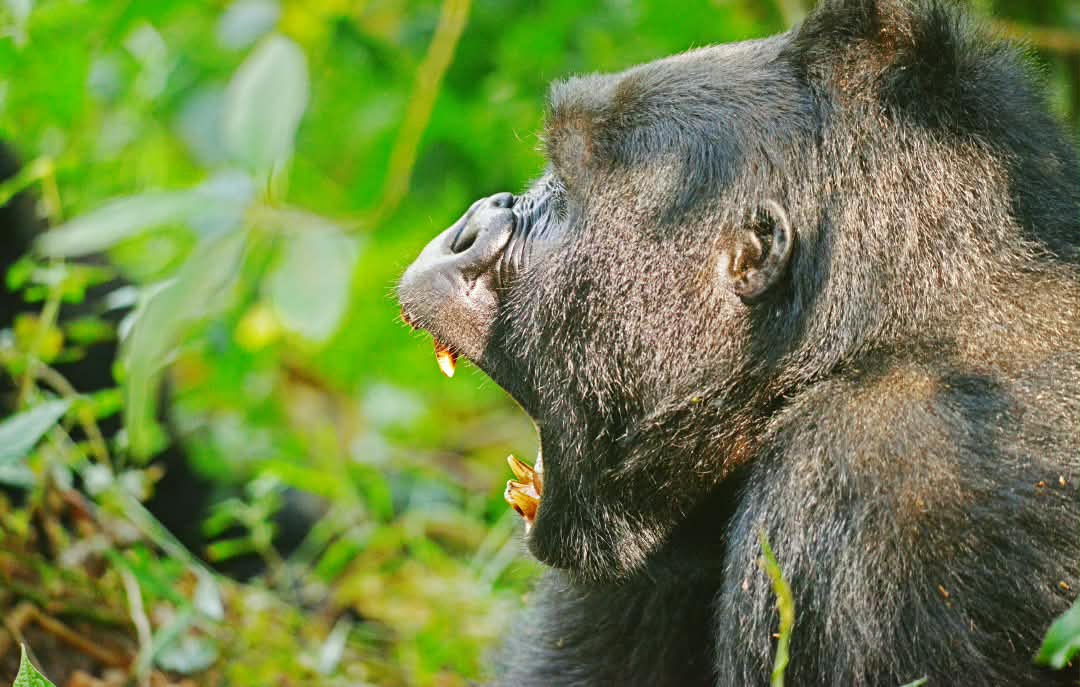
There is no one-size-fits-all answer. Your budget, travel time, safari interests and the kind of experience you want will all play a part in choosing between Uganda and Rwanda. Both destinations are excellent, but they suit different kinds of trips.
Uganda is home to more than half of the world's mountain gorillas and offers gorilla trekking in Bwindi Impenetrable National Park and Mgahinga Gorilla National Park.
Bwindi is the most popular destination and is divided into four main gorilla trekking sectors:
Buhoma is located in the northern part of Bwindi and is one of the best-known gorilla trekking areas in Uganda. It was the first area of Bwindi to receive tourists for gorilla trekking and has several accommodation options nearby. Buhoma can also be combined with other activities in the area, including forest walks and cultural experiences.
Ruhija is located in the eastern part of Bwindi. The area is known for its beautiful forest scenery and is another important starting point for gorilla trekking. Ruhija is a convenient option for travelers coming through Kabale and fits well into itineraries that combine gorilla trekking with Queen Elizabeth National Park.
Rushaga is located in the southern part of Bwindi and is particularly interesting for travelers who want to explore the southern side of the forest. It can also be connected with other experiences around Kisoro and Lake Mutanda. Rushaga is one of the areas where travelers can take part in the Gorilla Habituation Experience, a longer and more immersive gorilla encounter, subject to availability and the applicable permit.
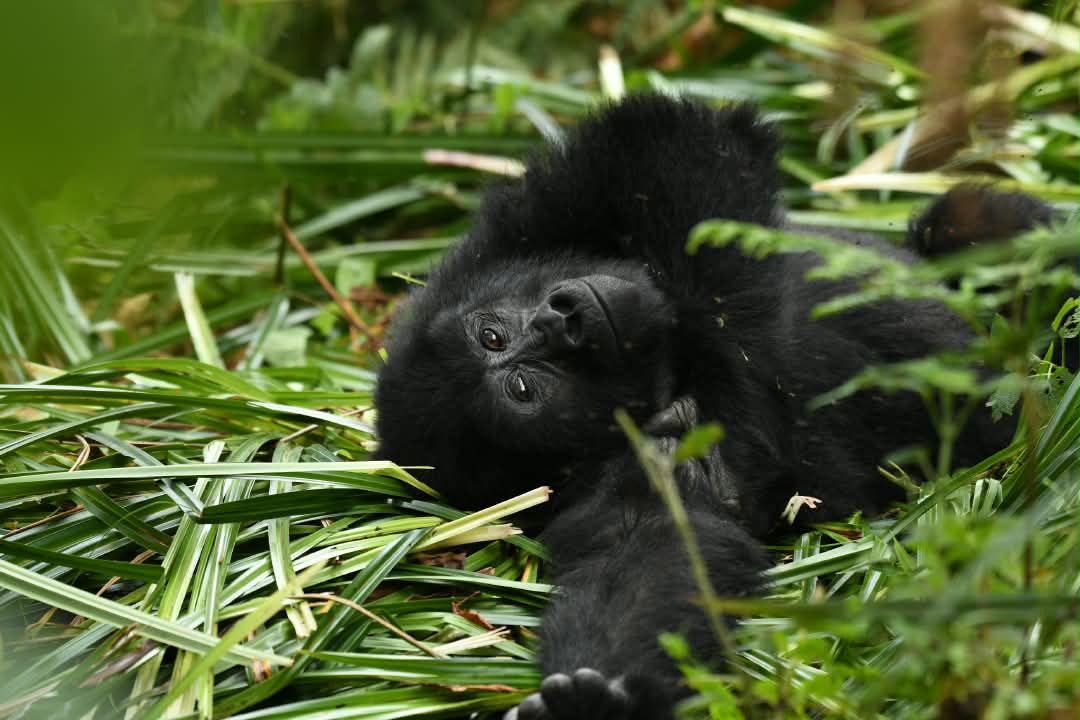
Nkuringo is another southern sector of Bwindi, known for its mountainous terrain and spectacular views. The trek can be physically demanding because of the terrain, but the scenery makes the experience especially memorable. Nkuringo can also be combined with the southern Bwindi area and Lake Mutanda.
Uganda has another gorilla trekking destination besides Bwindi: Mgahinga Gorilla National Park. Mgahinga is located in southwestern Uganda in the Virunga Mountains. The Uganda Wildlife Authority (UWA) currently identifies the Ntebeko/Muhavura Visitor Information Centre as the designated entry point for gorilla tracking there.
Mgahinga is much smaller than Bwindi and currently has one habituated transboundary gorilla group. This makes it a good option for travelers who want to see mountain gorillas while exploring the volcanic landscape of southwestern Uganda.
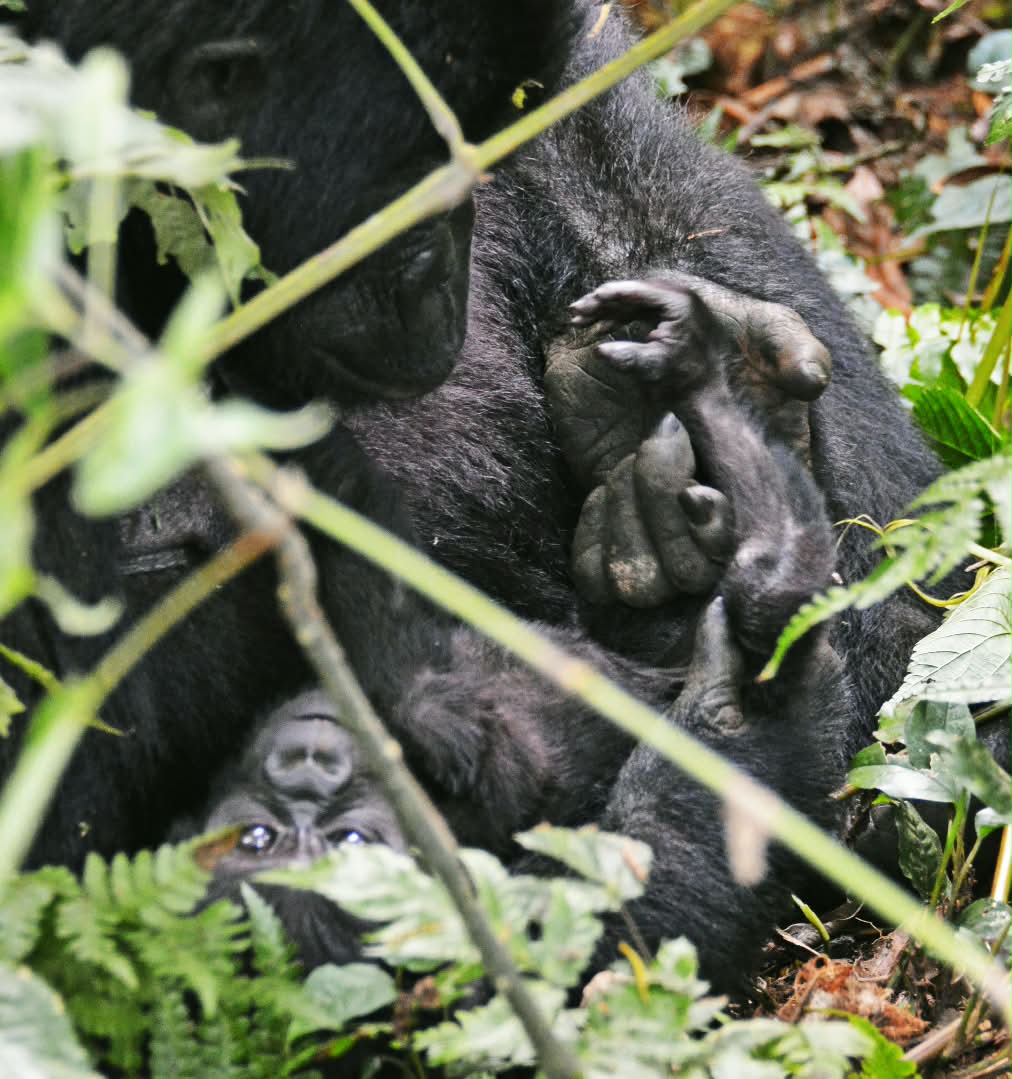
For foreign non-residents, the gorilla trekking permit costs $800 per person. The tariff also lists the permit at UGX 300,000 for East African citizens.
The gorilla permit includes the guide fee, park entrance fee for the day and community development contribution.
The Gorilla Habituation Experience is listed at $1,500 per person for foreign non-residents. Permit prices can change, so confirm the current UWA tariff when you book.
Rwanda's gorilla trekking takes place in Volcanoes National Park in the northern part of the country. The park is part of the Virunga volcanic mountain range and is home to habituated mountain gorilla families that visitors can trek.
Unlike Uganda's Bwindi, which has several trekking sectors, Rwanda's gorilla trekking experience is centered on Volcanoes National Park. Visitors gather at the park headquarters in Kinigi before being allocated a gorilla family for the day. The trek can take anywhere from around 30 minutes to several hours, depending on where the assigned gorilla group is located.
Rwanda's official tourism website currently lists the gorilla trekking permit at $1,500 per person per day for the standard foreign visitor rate.
Rwanda also has special rates for certain categories, including East African citizens, foreign residents and African visitors, subject to the applicable requirements. However, the permit is only one part of the total cost of a gorilla safari. Accommodation, transportation, meals, guide services and the number of days you spend on safari will all affect the final price.
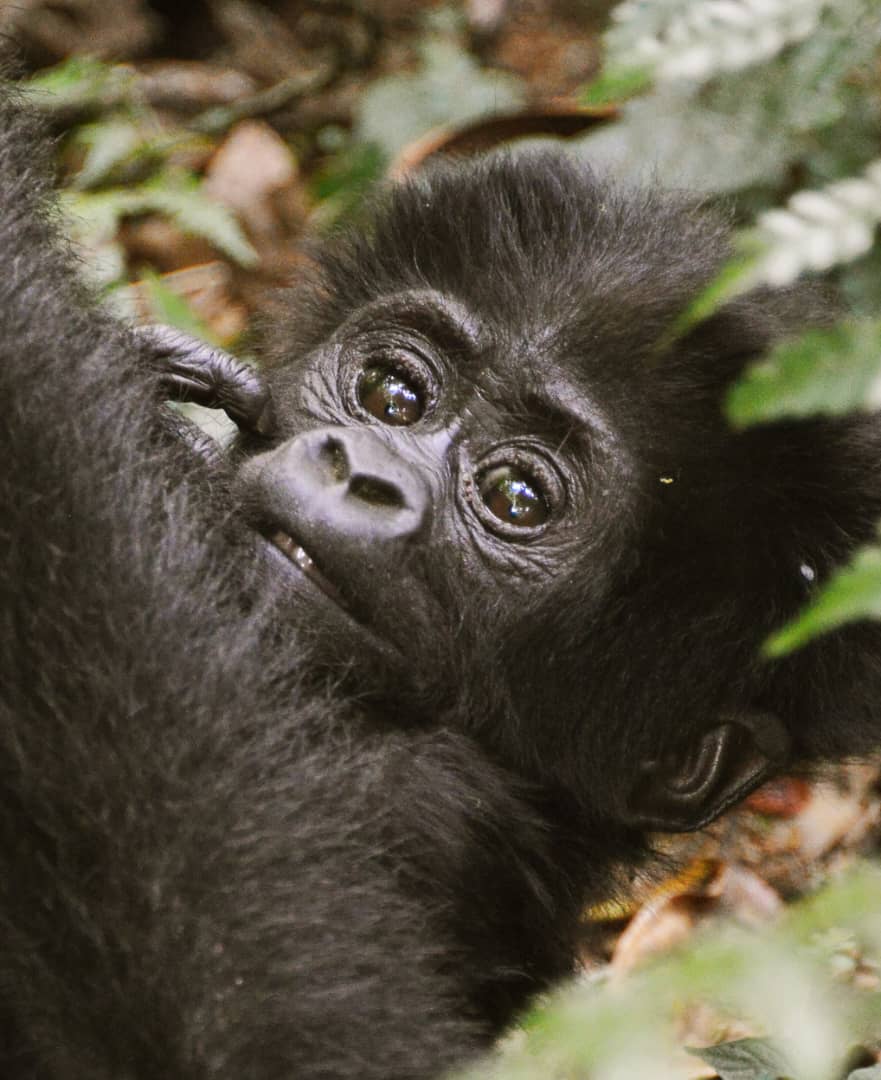
There is no single answer, because the right choice depends on your travel plans.
Uganda could be the better choice if you want to:
Rwanda, however, can be a great option if your trip is shorter. It is particularly convenient for travelers who want to combine gorilla trekking in Volcanoes National Park with a few days in Kigali.
One of the biggest advantages of choosing Uganda is that your gorilla trek can be part of a much bigger safari. For example, you could start with chimpanzee trekking in Kibale Forest National Park, continue to Queen Elizabeth National Park for game drives and a Kazinga Channel boat cruise, and then travel south to Bwindi Impenetrable National Park for gorilla trekking.
A longer itinerary could also include Kidepo Valley National Park, Murchison Falls National Park or Lake Mburo National Park, depending on your interests and available time. Your Uganda trip does not have to be only about gorillas. You can combine primates, wildlife, landscapes and cultural experiences in one journey.
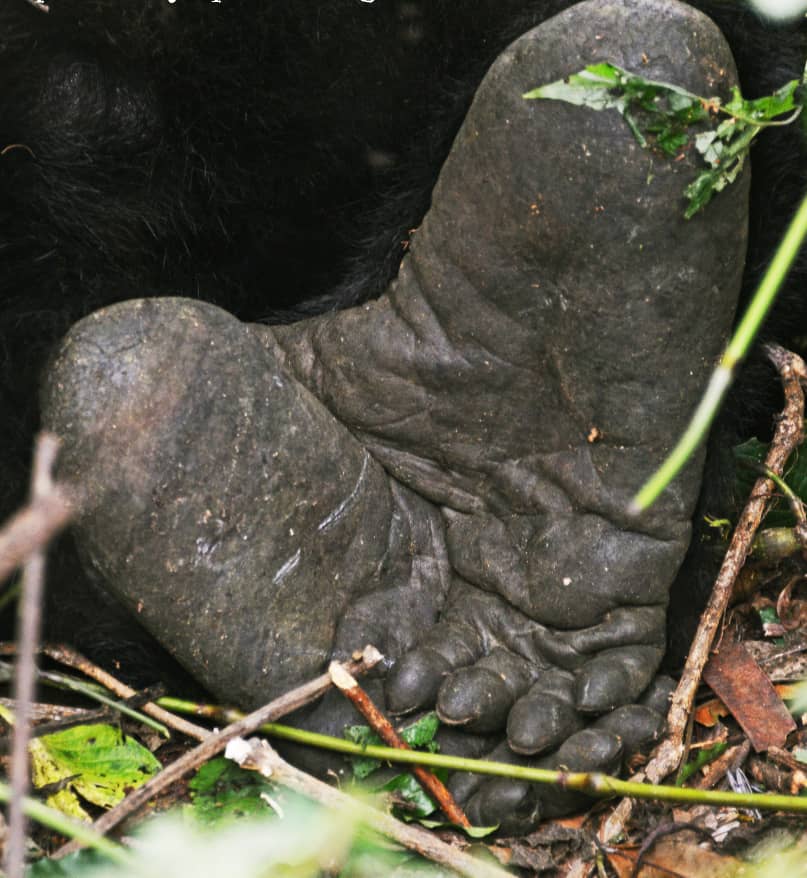
If your priority is gorilla trekking combined with a wider safari and a lower permit cost, Uganda is worth considering. If your priority is a shorter, gorilla-focused trip with easy access from Kigali, Rwanda may fit your plans better.
Both destinations offer the chance to see mountain gorillas in their natural habitat, and whichever you choose, the experience can be one of the most memorable parts of an East African adventure.
At Tulabagane Expeditions Africa Safaris, we organize tailor-made gorilla trekking and wildlife safaris in Uganda, Rwanda, Kenya and Tanzania. We can help you choose the right gorilla trekking sector, arrange permits, accommodation and transportation, and plan other activities around your budget, travel dates and interests.
Whether you are planning a 3-day gorilla trekking safari, a 7-day Uganda safari or a longer gorilla and wildlife adventure, we can help you put the trip together.